Trump Administration Restricts Chinese Humanoid Robot Imports
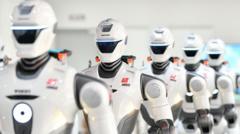
Trump Administration Implements New Restrictions on Chinese Humanoid Robots
The Trump administration has announced sweeping new restrictions targeting Chinese humanoid robots and advanced robotics technology entering the United States market. This significant policy shift reflects escalating tensions between Washington and Beijing over technological dominance and strategic innovation in the rapidly evolving field of artificial intelligence and robotics.
The Strategic Competition Between Washington and Beijing
The United States and China are engaged in an increasingly fierce competition to establish global leadership in robotics technology and artificial intelligence capabilities. Both nations recognize that mastery of these transformative technologies will determine economic prosperity and military advantage for decades to come. Chinese humanoid robots have emerged as a focal point in this broader technological rivalry, with American policymakers expressing concerns about potential security implications and the erosion of domestic innovation leadership.
The rivalry extends beyond commercial applications. Government officials from both nations view advanced robotics as critical infrastructure for future economies and defense systems. China has invested heavily in humanoid robot development through state-backed initiatives and private sector partnerships, while the United States has sought to maintain technological superiority through research institutions and defense department contracts.
Understanding the New Restrictions on Chinese Robotics
The Trump administration's ban on new Chinese humanoid robots represents a comprehensive approach to limiting Beijing's technological reach. These restrictions include provisions that prevent the importation of advanced robotic systems, curtail licensing agreements with Chinese manufacturers, and establish new scrutiny protocols for technology transfers involving humanoid platforms.
Industry analysts suggest the restrictions target robots with advanced AI integration, autonomous decision-making capabilities, and applications in sensitive sectors including healthcare, manufacturing, and research. Companies seeking to import such systems now face rigorous vetting processes and potential denial of permission based on national security considerations.
Impact on Global Robotics Innovation
The policy decisions surrounding humanoid robots China manufacturers will likely reshape the global robotics landscape. Chinese companies that have invested billions in research and development now face uncertain market access to the world's largest consumer economy. This disruption may accelerate alternative supply chains and encourage investment in robotics development outside traditional US-China partnerships.
American robotics firms may benefit from reduced competition and increased government support for domestic innovation. Simultaneously, the restrictions could prompt retaliatory measures from Beijing targeting American technology companies operating in Chinese markets, potentially escalating the broader technological cold war between the superpowers.
Broader Implications for AI and Technology Competition
The ban exemplifies how robotics trade restrictions have become integral to national security strategy. Beyond humanoid robots, policymakers are implementing controls on semiconductor exports, artificial intelligence algorithms, and quantum computing research. These measures reflect a fundamental shift in how governments view technology development—not merely as commercial enterprise but as strategic national resources.
China's response to the restrictions remains closely monitored by international observers. Beijing has historically countered American technological restrictions through reciprocal policies and accelerated domestic innovation initiatives. The US China AI competition may intensify as both nations double down on independent development pathways rather than collaborative research.
Implications for Multinational Corporations and Investors
Technology companies and investors face unprecedented complexity navigating the new regulatory environment. Multinational firms with operations in both nations must now carefully evaluate supply chain dependencies and market access strategies. Some organizations are considering bifurcated technology development approaches, maintaining separate innovation pipelines for the American and Chinese markets.
Venture capital investment in robotics startups may shift geographically, with increased funding flowing to American and allied nation companies while Chinese firms seek alternative capital sources from regional investors and domestic government programs.
The Future of International Technology Standards
The divergence in robotics policy between the US and China raises questions about future international technology standards. Historically, global technological frameworks have emerged through collaborative standard-setting processes. As restrictions increase, the possibility of fragmented global standards becomes more probable, potentially reducing interoperability and efficiency across international markets.
The outlook for artificial intelligence robots development remains dynamic. While the Trump administration's restrictions target Chinese imports specifically, broader legislative frameworks governing AI and robotics regulation are under development across multiple government agencies.
Conclusion
The restriction on Chinese humanoid robots represents a watershed moment in technology policy. As the United States and China compete for supremacy in robotics and artificial intelligence, policy tools including trade restrictions, investment controls, and technology embargoes will likely become increasingly prevalent. Organizations operating in these sectors must remain vigilant regarding regulatory developments and adjust strategies accordingly to maintain competitiveness in an increasingly fragmented global technology landscape.


