Smart Glasses Restrictions: UK Eyes Technology Curbs
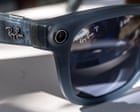
Government Tackles Smart Glasses Threat to Public Safety
The United Kingdom's government is actively examining measures to restrict access to smart glasses following mounting concerns about unauthorized video recording. A senior safeguarding official has revealed plans that could fundamentally reshape how this wearable technology is distributed across the nation. The smart glasses ban UK remains a critical policy consideration as authorities grapple with privacy violations and gender-based harassment through technological means.
Minister Signals Potential Smart Glasses Restrictions
During parliamentary proceedings, Satvir Kaur, serving as the government's safeguarding minister, disclosed preliminary thoughts on controlling the distribution of smart glasses to protect vulnerable populations. Her statement indicated the administration is contemplating limitations on who can purchase this emerging technology, emphasizing protective measures for those most at risk.
The proposal specifically addresses the misuse of smart glasses devices, which have become increasingly sophisticated in capturing high-quality video footage discreetly. Without proper safeguards, these wearable devices can be weaponized to record individuals without their knowledge or consent, creating serious privacy violations and personal safety hazards.
Understanding the Privacy Concerns
The impetus behind these regulatory discussions stems from documented cases where smart glasses have been repurposed as covert surveillance instruments. Women have reported being filmed unknowingly in public spaces, changing rooms, and other private settings where they hold reasonable expectations of privacy. This hidden camera technology represents an evolving threat that existing legal frameworks have struggled to adequately address.
Smart glasses, equipped with compact video recording capabilities, offer minimal visual indicators that they are actively capturing footage. Unlike traditional cameras, their design allows users to record others while appearing to simply wear ordinary eyewear. This characteristic has made them particularly problematic from a safeguarding perspective, particularly concerning women safety concerns in both urban and workplace environments.
Current Technology Capabilities and Risks
Modern smart glasses incorporate artificial intelligence features, real-time processing, and cloud connectivity that enhance their functionality but simultaneously amplify potential for misuse. These devices can store substantial quantities of recorded material, transmit data instantly, and operate with extended battery life, making detection and intervention increasingly difficult.
The technology's rapid advancement has outpaced regulatory development, creating significant gaps in legal protections. Current legislation addressing general surveillance and voyeurism may not specifically contemplate wearable recording devices integrated into eyeglass frames, leaving enforcement agencies struggling to effectively prosecute offenders or prevent incidents.
Government Regulations Technology Framework
The anticipated approach toward government regulations technology in this sector would likely involve multiple strategies. Officials are considering age restrictions similar to those applied to other potentially harmful products, background check requirements for purchasers, and registration protocols for smart glasses devices equipped with recording functionality.
Additionally, manufacturers may face requirements to implement mandatory consent notifications, digital watermarking systems, or hardware limitations that prevent audio recording or reduce video quality to levels insufficient for identification purposes. These surreptitious filming laws would represent significant industry changes but aim to balance technological innovation with fundamental privacy rights.
Impact on Technology Industry and Innovation
Industry stakeholders have expressed concerns that overly restrictive policies could stifle legitimate development and commercial applications of smart glasses technology. Authorized uses in healthcare, industrial settings, and accessibility assistance provide genuine benefits that blanket prohibitions would eliminate.
The government's challenge involves crafting nuanced regulations that prevent misuse while preserving beneficial applications. Potential solutions include tiered licensing systems, retailer verification protocols, and community education initiatives alongside legislative measures.
International Precedents and Comparative Approaches
Other nations have begun addressing similar concerns with varying methodologies. Some countries have implemented device-specific regulations, while others rely on strengthening existing privacy and harassment legislation. The UK government appears positioned to examine these international examples while developing domestically appropriate solutions that reflect British legal traditions and cultural values.
Next Steps in Policy Development
The safeguarding minister's parliamentary comments suggest further consultations with technology companies, civil liberties organizations, law enforcement agencies, and public safety advocates will inform final policy recommendations. These stakeholder discussions represent an essential phase before any legislative proposals advance through Parliament.
Citizens and advocacy groups seeking stronger protections can expect opportunities to provide input during public consultation periods that typically precede major technology regulations. The outcome of these deliberations will significantly influence how smart glasses technology is managed across British society going forward.