England's Drought Crisis: Over Half the Nation Faces Water Shortage
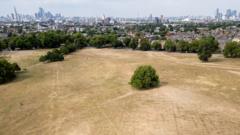
England Drought Crisis Reaches Critical Level
The England drought crisis has intensified significantly as official authorities confirm that more than half of the nation remains under drought conditions. The Environment Agency has issued formal declarations affecting vast stretches of English territory, marking a serious escalation in water management concerns across the country. This widespread England drought crisis represents one of the most significant environmental challenges facing the region in recent years.
Extreme Weather Conditions Drive Water Shortages
An exceptionally prolonged period of heat and minimal rainfall has created the conditions for this severe water shortage across England. The combination of record-breaking temperatures and dramatically reduced precipitation has fundamentally altered water availability across multiple regions. Communities, businesses, and agricultural operations now face unprecedented challenges as water reserves continue to diminish at alarming rates. The drought declaration from environmental authorities underscores the gravity of the situation and the urgent need for coordinated response measures.
Impact on Rivers and Water Systems
England's river systems have experienced dramatic changes as a result of the prolonged drought conditions. Water levels in major rivers have dropped to concerning levels, affecting navigation, hydroelectric power generation, and aquatic ecosystems. The reduced flow in waterways threatens the delicate balance of riverine environments that countless species depend upon for survival. Fish populations face particular stress as water temperatures rise and oxygen levels decrease in shallow, slow-moving sections. Environmental experts warn that some waterways may struggle to recover fully even after rainfall returns to normal levels.
Agricultural Sector Under Severe Strain
Farmers and agricultural producers across England confront mounting difficulties as the drought persists. Crop yields face reduction due to insufficient moisture in soil, forcing producers to implement emergency irrigation measures or accept significant losses. Livestock operations struggle to maintain adequate water supplies for animals, creating economic hardship for rural communities dependent on farming income. Pasture degradation has accelerated, forcing farmers to supplement animal feed at considerable expense. The agricultural impact of this water shortage threatens food security and economic stability in rural regions throughout England.
Environmental and Wildlife Consequences
The drought declaration has triggered widespread concern among environmental organizations regarding threats to natural habitats and wildlife populations. Wetlands that provide critical breeding grounds for migratory birds are drying up, disrupting migration patterns established over centuries. Aquatic plants struggle to survive as water levels recede, compromising food chains that support fish and other aquatic species. Terrestrial wildlife searches for alternative water sources, creating unusual behavioral patterns and increased human-wildlife conflicts in some areas. Conservation efforts face heightened challenges as biodiversity hotspots experience stress from prolonged arid conditions.
Government Response and Water Management Measures
Authorities have implemented various conservation strategies in response to the official drought declaration from the Environment Agency. Water companies have introduced restrictions on non-essential water use, including outdoor activities and car washing in affected regions. Residents receive guidance on reducing consumption through behavioral changes and household efficiency improvements. Infrastructure investments focus on water recycling and alternative supply development to build resilience against future drought events. Emergency contingency plans remain in place to address potential supply failures if conditions continue deteriorating.
Looking Forward: Recovery and Adaptation
While immediate attention focuses on managing current water shortages, longer-term perspectives emphasize adaptation to changing climate patterns. Regional planners develop strategies for sustainable water management that anticipate future drought risks. Investment in water storage infrastructure receives renewed emphasis as communities recognize vulnerability to extended dry periods. Research initiatives explore drought-resistant crop varieties and water-efficient farming techniques. The England drought crisis serves as a catalyst for comprehensive environmental policy review and infrastructure modernization to strengthen national resilience against climate-related challenges.


